
Temporary Storm Patches vs Permanent Repairs
A legitimate temporary fix does two jobs: makes a site safe and stops damage from spreading. It is not a repair you can live with, and here is how to keep it from becoming one.
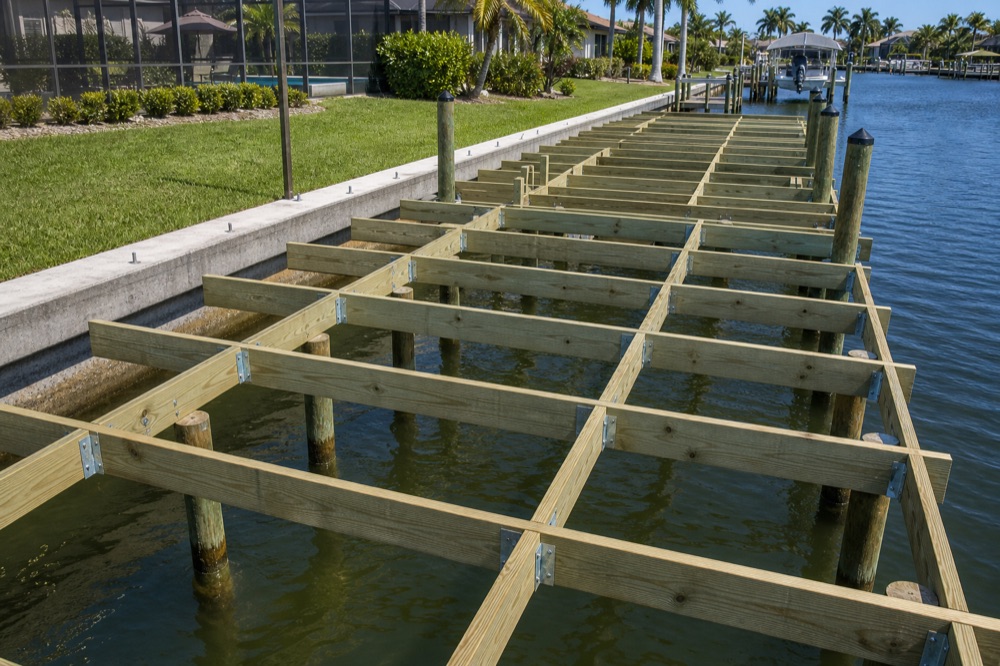
Key takeaways
- A legitimate temporary fix does exactly two jobs: it makes a site safe to be near, and it stops damage from spreading. Anything beyond that is a repair, and should be priced and permitted as one.
- Temporary means it has a stated end date and a written scope. A patch with neither is just a permanent repair nobody admitted to.
- The dangerous patches are the ones that make a structure feel solid again, a sistered board or a shimmed piling can restore the walking feel of a dock while the actual failure keeps progressing underneath.
- Photograph and document the damage before you stabilize it. Once a patch is on, the evidence of what the storm did is underneath it.
- A temporary measure is not a completed repair, and it should never be presented to anyone as one. What your policy covers is between you and your carrier: confirm with your agent.
After a storm, there is a real and useful category of work that is not a repair. It goes by names like stabilization, securing, or making-safe, and on a damaged waterfront it is often the first thing that should happen. Done right, it buys you the time you need to get a real assessment, a permit, and a crew.
Done wrong, or left alone too long. It becomes the reason a repair costs more than it should have. So it is worth being precise about what a temporary fix is for, and what it can never do.
What is a temporary fix actually for?
Two jobs only: making the site safe to be around, and stopping damage from spreading. That is the entire mandate.
Safety is the obvious half. A dock section with a compromised frame, an opening someone could step through, a leaning piling near where people walk, a damaged electrical panel. Those are hazards before they are repair items, and closing them off or shutting them down is not optional.
Stopping progressive damage is the half people miss. Storm damage rarely sits still on a Southwest Florida canal. A piling that has lost bracing keeps working itself looser with every tide. A floating log or a section of somebody else’s dock trapped against your pilings grinds at them twice a day. Water into an open fastener hole or a cracked wrap starts a corrosion clock. Every day of that is damage added to the original storm damage, and it is the part a temporary measure genuinely prevents.
What can a temporary fix not do?
It cannot restore the structure, and it cannot stand in for a completed repair to anyone.
| Temporary stabilization | Permanent repair | |
|---|---|---|
| Purpose | Make it safe, stop it getting worse | Restore the structure to sound condition |
| Scope | Narrow, written down, dated | Full scope, assessed and priced |
| Structural value | None assumed | Engineered and permitted as required |
| Lifespan | Weeks, with an end date | Years of service |
| How it should be documented | Identified as temporary, separately | The repair of record |
That last row matters more than it looks. A stabilization should be documented as its own line: what was done, why, and what still needs rebuilding, never folded into a description that reads as a finished job. Whether and how any of it is covered is between you and your carrier, and policies differ, so confirm with your agent. Our role is narrower and simpler: we document what we find and quote the repair honestly.
Which patches hide the real failure?
The ones that restore how a structure feels without restoring what it does. These are the patches that cost owners real money, precisely because they work, for a while.
- A sistered or replaced board over a failing frame. The deck stops flexing underfoot, so the joist or stringer problem underneath stops announcing itself.
- Shims, wedges, or a bolted collar on a loose piling. The piling stops wobbling at the connection, but if it lost embedment in the storm, the holding power is still gone. That is why a leaning or loose piling after a storm needs an actual assessment, not a tighten-and-see.
- Fresh fasteners into old, softened wood. They bite, they hold, and they are relying on material that is done.
- Patched wrap or coating over corroded steel. Out of sight is not the same as arrested.
- Cosmetic seawall crack filler. A filled crack looks resolved and tells you nothing about whether the wall moved or the soil behind it is intact.
The common thread: each one removes the symptom you were using to track the problem. If you patch, note what you patched and keep watching that spot.
How do you keep a patch from becoming permanent by accident?
Give it a written scope and a date, before it goes on. Almost every patch that turned into a five-year installation got there by having neither.
- Photograph and document the damage first. Once the patch is on, the evidence of what the storm actually did is underneath it. Wide shots, close shots, and shots that show the surrounding structure.
- Write down what the temporary work is and is not. One honest paragraph beats a vague invoice line.
- Set the end date the day it goes on, then get the permanent repair assessed and into a permit queue immediately. Post-storm queues only lengthen.
- Keep the temporary and permanent scopes separate on paper. Mixing them is how a patch quietly becomes the repair of record.
- Do not let the patch reset your urgency. It is a countdown, not a solution.
Sequence matters too: stabilizing now does not change the fact that a rebuild works from the shoreline up. See rebuild order after a storm for how the phases fit together, and post-storm dock triage for how to inspect safely before you touch anything. If power to the dock may be involved, stay clear of the water and read post-storm electrical safety first, that one is not a DIY category.
Florida Lifts & Docks repairs and rebuilds storm-damaged docks, lifts, pilings, and seawalls across Southwest Florida with our own crew, and we will tell you plainly which parts of your structure are sound and which are not. See our dock repair page or call (239) 397-3400 for a free on-site assessment and repair estimate.